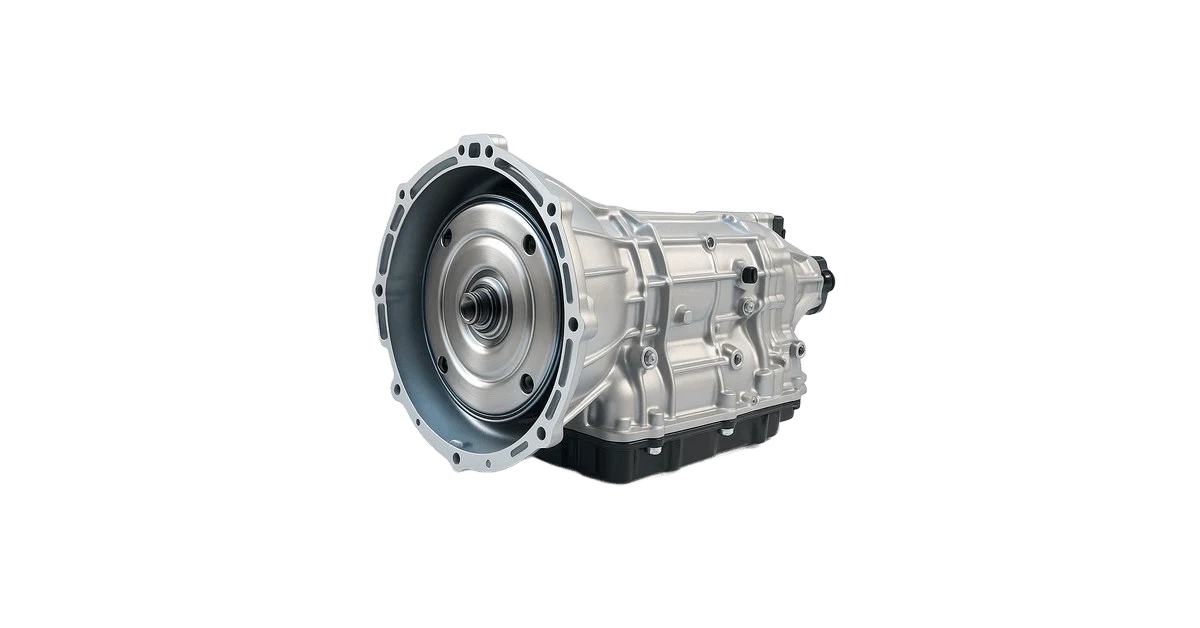
How much does a used transmission cost in 2026? The honest answer
A used transmission's cost comes down to four things: the exact transmission model, whether it is used or remanufactured, the donor mileage, and your drivetrain (2WD vs 4WD). A common light-duty car unit sits at the bottom of the range; a heavy-duty diesel unit like a 68RFE or an Allison sits at the top. There is no single sticker price — the only number that means anything is the one matched to your exact vehicle in our Houston transmission inventory. Below we break down exactly what moves the price up or down, what counts as too many miles, and how to tell whether you even need a replacement — so you know what to expect before you ever pick up the phone.
Used vs. remanufactured: the single biggest price lever
The used-versus-remanufactured choice moves the price more than anything else. A used transmission is a complete OEM unit pulled from a low-mileage donor vehicle, pressure- and shift-tested, and backed by a 6-month standard warranty that is extendable up to 3 years — it is the budget-friendly option. A remanufactured transmission is torn down and rebuilt to OEM specification with new wear components (clutches, seals, bands, and solenoids), carries the longest coverage available (up to 3 years / 100,000 miles), and runs roughly a thousand dollars more than used. In short: used wins on price, remanufactured wins on reliability and warranty length. To see the gap on a real heavy-duty example, compare a used unit against a remanufactured 68RFE transmission, and read our full used vs. remanufactured drivetrain guide if you are on the fence.
Rebuilt vs. remanufactured vs. used: do not pay for the wrong one
These three words get used interchangeably at salvage yards, and the confusion costs people money. A used transmission is an original factory unit that has not been opened — tested and sold as-is. A rebuilt transmission has been taken apart and reassembled by a local shop, usually replacing only the parts that failed, with quality that varies by who did the work. A remanufactured transmission is rebuilt to a standardized OEM specification with all wear components renewed, then tested — the most consistent of the three. Price generally climbs used to rebuilt to remanufactured, but so does expected life and warranty. Our used vs. rebuilt vs. remanufactured breakdown explains which one actually makes sense for your mileage and budget, so you are not overpaying for a label.
Cost by transmission family: what to expect for your gearbox
Price tracks the transmission family, because supply and build complexity vary enormously. Here is where the common units fall, from most affordable to premium:
- Light-duty domestic autos (most affordable): the GM 4L60E and 4L80E, and the 6-speed 6L80E — massive donor supply keeps these the easiest on the wallet.
- Modern 8 to 10 speeds (mid-range): the Ford 10R80 and 6R80, plus the ZF 8HP70/8HP75 — newer designs, more electronics, fewer donors on the ground.
- Heavy-duty diesel (premium): the Chrysler 68RFE, the Allison 1000, and the older 48RE — built to survive big diesel torque, so they command the top of the range.
- Import and Toyota units: a gearbox like the A750/AB60 lands in the mid-range depending on availability.
Your exact figure still depends on your VIN, the donor mileage, and the coverage tier you choose.
How many miles is too many on a used transmission?
For most light-duty vehicles, a used transmission under roughly 100,000 miles is a solid buy, and many quality units land in the 60,000 to 120,000 mile range. Mileage matters less than how the unit was driven and how it tests: a 90,000-mile transmission that passes pressure and shift testing is a better bet than a 50,000-mile unit from a flooded or abused vehicle. Heavy-duty diesel transmissions routinely run well past 150,000 miles, so the acceptable mileage window is higher. The real question is not just the odometer — it is whether the unit was tested and matched to your vehicle. If your vehicle is a long-term keeper or already high-mileage, a remanufactured unit with a longer warranty is often the smarter spend.
The one thing that changes your price (and whether it even fits)
Exact fitment is where most transmission purchases go wrong. Two units that look identical can differ by bolt pattern, 2WD vs 4WD tailhousing, bellhousing, torque-converter spline, gear ratio, and the valve-body and solenoid electronics your vehicle expects. A wrong match is not just a return headache — it is wasted labor on the lift at your shop. We confirm every transmission against your VIN before you pay a cent, and our transmission bolt-pattern and fitment guide explains the exact mismatches that trip people up. VIN-verified fitment is the difference between a bolt-in install and an expensive mistake.
Are you sure you need a new transmission? Check these signs first
Before you spend on a replacement, make sure the transmission is actually the problem — sometimes it is a solenoid, a sensor, or low fluid. The classic warning signs are slipping between gears, hard or delayed shifts, shuddering under light throttle, whining or grinding noises, a burnt smell, or a check-engine light with transmission codes. If you have several of these together, replacement is usually the right call. Our guide on the signs your transmission is going out walks through each symptom so you do not pay for a gearbox you did not need. When it is time, we will match the correct unit to your VIN.
Hidden costs most salvage yards do not tell you about
The sticker is rarely the final number at a salvage yard. Here is what to ask about up front:
- Restocking fees: many brokers charge up to 20% if you return a part. Ours is 0% — always, on every return.
- Core charges: a refundable deposit on your old unit, returned when you send the core back in rebuildable condition.
- Warranty upgrades: the base warranty is included; longer parts-and-labor coverage is an option you choose, not a surprise. See our warranty tiers.
- Delivery and shipping: we offer free local delivery across the Houston area with our own drivers, plus nationwide shipping beyond it.
Knowing these before you commit is how you avoid the classic 'the price doubled at pickup' story.
How to get your real number in 10 minutes
The fastest path to an accurate price is your VIN. Send it to us and we match the exact transmission for your vehicle, confirm fitment, and text back your coverage options — during business hours we guarantee a quote within 10 minutes. No guessing from a price chart, no wrong parts, no runaround. Here is how our process works, from quote to delivery or pickup at our Pasadena shop. Text your VIN with your year, make, and model, and we will get you a VIN-verified transmission quote today.
FAQ
How much does a used transmission cost in Houston in 2026?
It depends on the transmission model, whether it is used or remanufactured, the donor mileage, and your drivetrain (2WD vs 4WD). Common light-duty units like the 4L60E and 6L80E are the most affordable; heavy-duty diesel units like the 68RFE and Allison 1000 cost the most. The fastest way to an exact figure is a VIN-verified quote, which we guarantee within 10 minutes during business hours.
Is a used or remanufactured transmission the better value?
Used is the better value when budget is the priority — it is a tested OEM unit from a low-mileage donor with a 6-month warranty that is extendable. Remanufactured is the better value for high-mileage vehicles or long-term keepers, because it is rebuilt to OEM spec with new wear parts and carries up to 3 years / 100,000 miles of coverage.
How many miles is too many on a used transmission?
For most light-duty vehicles, a used transmission under about 100,000 miles is a solid buy, with many quality units in the 60,000 to 120,000 mile range. How the unit tests matters more than the odometer alone, and heavy-duty diesel transmissions routinely run well past 150,000 miles. We only sell units that pass pressure and shift testing and match your VIN.
What is the difference between rebuilt and remanufactured?
A rebuilt transmission is reassembled by a local shop, usually replacing only the failed parts, with quality that varies by who did the work. A remanufactured transmission is rebuilt to a standardized OEM specification with all wear components renewed and then tested, making it the most consistent option. A used transmission is an original factory unit that was never opened.
What is a core charge on a transmission?
A core charge is a refundable deposit on your old transmission. When you send the old unit (the core) back in rebuildable condition, the deposit is refunded. It exists because remanufacturers reuse the housing and hard parts to rebuild the next unit.
Will the transmission fit my exact vehicle?
Yes. We verify every transmission against your VIN before you pay, checking bolt pattern, 2WD vs 4WD, bellhousing, gear ratio, and the solenoid and valve-body electronics your vehicle expects. VIN verification is how we prevent the wrong-part mistakes that cost shops time and money.
How fast can I get a transmission quote?
During business hours (Monday to Friday, 8 AM to 5 PM Central) we guarantee a quote within 10 minutes. Text or submit your VIN anytime and we will match the exact transmission and send your coverage options.
Do you deliver transmissions in the Houston area?
Yes. We offer free local delivery across the Houston metro with our own drivers, and nationwide shipping beyond it. You can also pick up at our Pasadena location at 5041 Spencer Hwy Ste 101.